Induction Cooktops: How to Choose the Right Pots for Perfect Cooking Results
Induction cooktops are becoming increasingly popular thanks to their heating speed, energy efficiency, and safety. However, not every pot is suitable for this type of stove. Let’s explore which cookware is best for induction surfaces — so your dishes turn out delicious and your cookware stays in perfect condition.
How an Induction Cooktop Works and Why Special Cookware Is Needed
To understand which pot is suitable for induction, it helps to know how induction works. Inside the cooktop are coils that generate an alternating magnetic field. This field affects metals with ferromagnetic properties, which are found in the base of the pot. The interaction between the metal and the magnetic field creates eddy currents that heat the cookware directly.
Only cookware made of materials that can interact with a magnetic field will work on an induction surface.
The base of such cookware may consist of solid ferromagnetic metal or be multi-layered, combining stainless steel, aluminum, or other alloys for better heat distribution. If the material lacks magnetic components — such as nonmagnetic steel or aluminum — no heating occurs.
Importantly, cookware designed for induction stoves can also be used on gas, electric, or glass-ceramic cooktops.
Key Features of Induction-Compatible Cookware
When choosing pots for an induction cooktop, look for these essential features:
-
Induction symbol on the bottom — a spiral or coil icon, sometimes labeled “Induction.”
-
Ferromagnetic base — check if a magnet sticks easily to the bottom.
-
Thick, flat bottom — ensures even heat distribution and prevents deformation.
The presence of these features confirms compatibility with induction technology.
How to Check if Your Pot Works on Induction
The simplest test is to use a magnet. If it strongly attracts to the bottom of the pot, the cookware is induction-ready.
However, you usually don’t need to test manually — modern cookware comes with an induction symbol either on the packaging or the base.
High-quality kitchenware, including Ukrainian brand Idilia, always includes markings for use on multiple cooktops: gas, electric, and induction.
Are Enamel Pots Suitable for Induction Cooktops?
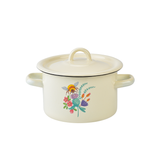
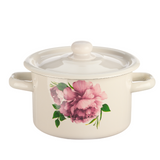
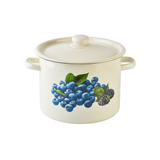
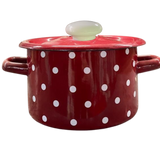
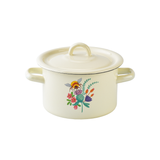
Many home cooks love enamel pots for their bright designs, easy care, and long-lasting use. Unfortunately, older enamel cookware, made before the era of induction technology, cannot be used on such stoves — enamel itself lacks magnetic properties.
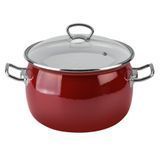
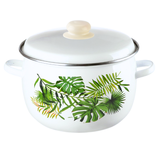
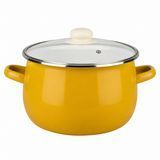
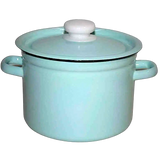
However, many modern enamel collections, including those by Idilia, are designed for universal use — compatible with induction, gas, and electric surfaces. This is made possible by a hidden ferromagnetic layer embedded in the base, adding another benefit to the many well-known advantages of enamel cookware.
The Benefits of Modern Enamel Cookware
Versatility
High-quality enamel pots and saucepans are suitable for all stove types. If marked appropriately, they perform equally well on gas, electric, and induction surfaces.
Bright and diverse design
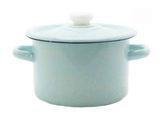
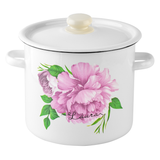
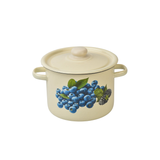
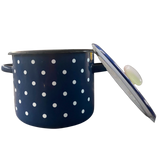
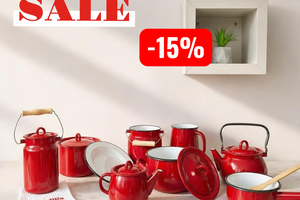
Enamel cookware remains the leader in color variety. The Idilia collection offers a wide palette — from warm autumn orange to fresh grassy green. These sets blend beautifully with any interior, from cozy retro kitchens to modern minimalism.
Safe food storage
The smooth, glass-like enamel coating is chemically inert — it doesn’t absorb odors or react with food. You can safely store soups, stews, or even marinades directly in the pot.
Affordability
Compared to stainless steel or cast iron cookware of similar size and quality, enamel pots are significantly more affordable.
Excellent heat distribution
The metal core and thin enamel layer ensure even heat across all sides, preserving food’s natural flavor and juiciness.
Easy maintenance
Enamel cookware is easy to clean — by hand with mild detergents or in a dishwasher. The smooth surface prevents food from sticking, keeping the cookware attractive even after years of use.
Common Mistakes When Choosing Induction Cookware
Here are the most frequent errors buyers make:
-
Choosing cookware with thin bottoms that warp and lose heat retention.
-
Confusing decorative enamel coatings with a magnetic base.
-
Buying aluminum pots without a steel insert, unaware they won’t work on induction.
-
Ignoring the manufacturer’s markings and judging only by appearance.
To make the right choice, it’s important to understand the principle of induction, recognize quality materials, and pay attention to official labeling.
On our website, you can find Idilia enamel pots and cookware sets adapted for induction cooktops. Simply use the filter to view induction-compatible models.
Care Tips for Induction Cookware

High-quality induction cookware can last for decades if properly maintained:
-
Never heat an empty pot.
-
Avoid sudden temperature changes — for example, don’t place a hot pot under cold water.
-
Use soft sponges and non-abrasive cleaners.
-
Store cookware carefully to prevent scratching the base or protective coating.
Proper care preserves both the appearance and the durability of your cookware.
Final Thoughts
Choosing the right cookware for your induction stove is simple once you know what to look for. Modern Idilia enamel sets fully meet these requirements, ensuring reliable contact with the magnetic field and perfect cooking results.
Remember — the cookware you choose determines both your cooking comfort and the taste of your meals.