Milk Kissel: Benefits, Classic Recipe, and Why Enamel Cookware Is the Best Choice
In ancient times, kissel — including milk-based versions — was not only a sweet treat but also a hearty, nutritious dish. The milk version became popular later. Let’s explore the benefits of milk kissel, who it’s suitable for, how to make it thick or liquid, and why enamel cookware is ideal for preparing it.
Benefits of Milk Kissel and Who It’s For
At first glance, kissel seems simple — just milk and starch. Yet, in this simplicity lies its strength. Thanks to its smooth texture, homemade kissel gently coats the stomach lining, making it suitable even for those with digestive issues.
Milk provides valuable protein and calcium, making the drink beneficial for both adults and children. It’s especially good for people with sensitive digestion or those who prefer something light in the morning. Since it contains no caffeine, artificial flavors, or dyes, it’s a healthy option even for young children.
Classic Milk Kissel Recipe
It’s easy to make — the key is not to rush. You’ll need:
-
0.5 L of milk
-
1.5 tbsp of potato or corn starch (adjust for thickness)
-
1–2 tbsp of sugar
-
Vanilla or other flavorings — optional
How to cook:
-
Heat half of the milk over low heat.
-
In the remaining cold milk, dissolve the starch and stir until smooth.
-
When the hot milk begins to boil, slowly pour in the starch mixture while stirring constantly.
-
Add sugar and flavorings, and cook until thickened — about 1–2 minutes after boiling.
The same milk kissel can taste different depending on the temperature: warm, hot, or chilled. When hot, it has a rich milky flavor; when warm, the spices stand out; when chilled, it resembles pudding. Try it at different temperatures — each version reveals a new taste.
How to Adjust the Consistency
To make a thicker kissel, use 2–2.5 tablespoons of starch per 0.5 liter of milk.
For a lighter, more drinkable version, 1 tablespoon is enough.
Corn starch gives a softer, smoother texture than potato starch, so avoid adding too much. Stir continuously during cooking to prevent scorching or lumps — they can ruin the texture.
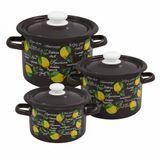
It’s best to cook kissel in a pot with a thick bottom or in enamel cookware, which evenly distributes heat.
A thick milk kissel flavored with vanilla or chocolate can also serve as a filling for homemade pastries. When cooled and lightly whipped, it makes a budget-friendly substitute for cream in eclairs, sponge cakes, or rolls.
Flavor Variations: Chocolate, Vanilla, Berry
Here are a few delicious options:
-
Chocolate: Add 1–2 teaspoons of cocoa while cooking, or mix in grated dark chocolate for a richer taste.
-
Vanilla: A classic — just a pinch of vanilla sugar or a few drops of natural extract.
-
Berry: Combine milk with strained raspberry or strawberry purée for a fruity twist (strain to remove seeds).
Even a spoonful of honey or a pinch of cinnamon can completely change the flavor — don’t be afraid to experiment.
Why Enamel Cookware Is Perfect for Making Kissel
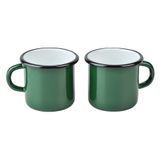
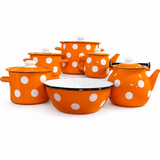
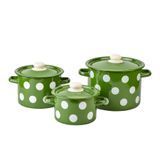
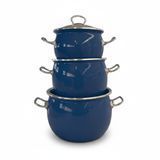
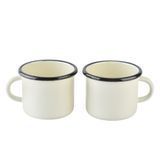
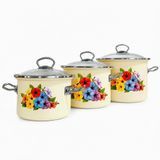
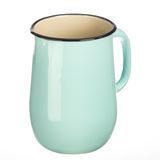
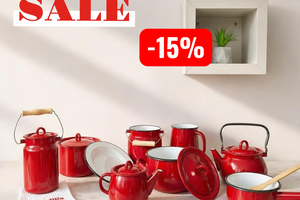
When cooking milk kissel, it’s important to preserve its delicate flavor — and the right cookware helps achieve that. Enamel pots are ideal because they don’t react with ingredients, don’t alter the color or taste of the drink, and don’t leave any metallic aftertaste.
Another big advantage is even heat distribution. Enamel cookware heats evenly, preventing scorching and ensuring a smooth consistency (especially with constant stirring). Plus, it’s easy to clean — a big bonus for any home cook.
Homemade milk kissel is a gentle, nutritious, and comforting drink that suits almost everyone — adults and kids alike. It’s easy to adapt to your taste and always brings warmth, flavor, and health to your table.